
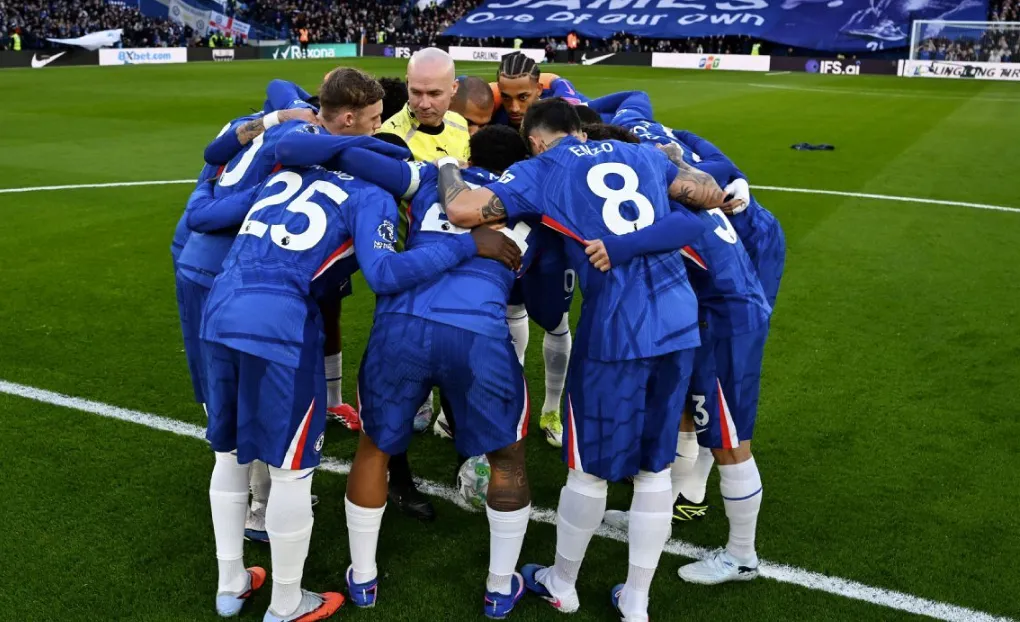
The world of professional football is often painted as a glamorous stage of teamwork and camaraderie, but behind the scenes, the reality can be far more complex. For Chelsea Football Club, a team brimming with talent and high expectations, the internal dynamics have sometimes been anything but harmonious. Recent reports have surfaced, shedding light on a fascinating chapter where Jaya9 teammates found themselves at odds, pushing each other to the brink. This isn’t just a story of conflict; it’s a tale of how fierce ambition and clashing egos can both fuel and fracture a squad.
In the high-pressure environment of Stamford Bridge, where every match is scrutinized and every transfer is a headline, the relationships between players can make or break a season. According to insiders, the tension among certain Chelsea stars reached a boiling point, with some players openly expressing their frustration with each other’s styles on and off the pitch. It’s a reminder that even the most expensive and celebrated lineups are still made up of human beings, each with their own drive, pride, and breaking points.
The Chemistry Crisis: Why Teammates Clashed
The Pressure Cooker Environment
Chelsea‘s recent history has been defined by rapid change—new managers, a revolving door of signings, and constant expectations to win. This environment can be a breeding ground for friction, especially when players jostle for positions and recognition.
- Different Personalities:The squad has always been a mix of seasoned veterans and hungry youngsters, each with a unique approach to the game.
- Competition for Spots:With so much talent battling for a starting eleven, it’s natural for tensions to simmer.
- Tactical Disagreements:When a player feels their strengths aren’t being utilized, or that a teammate isn’t pulling their weight, frustration can boil over.
One player, in particular, was noted for driving his colleagues “crazy” with his relentless demands and perfectionist attitude during training sessions. While this intensity can push a team to greatness, it can also create a rift if not managed carefully. It’s a classic tale of how the drive for excellence can sometimes be mistaken for arrogance.
“When you have so many strong-willed individuals in one room, it’s not always going to be smooth sailing,” says Marcus Reed, a former youth coach and football psychology expert. “The key is to channel that energy constructively, but sometimes, those rivalries can become personal and disruptive.”
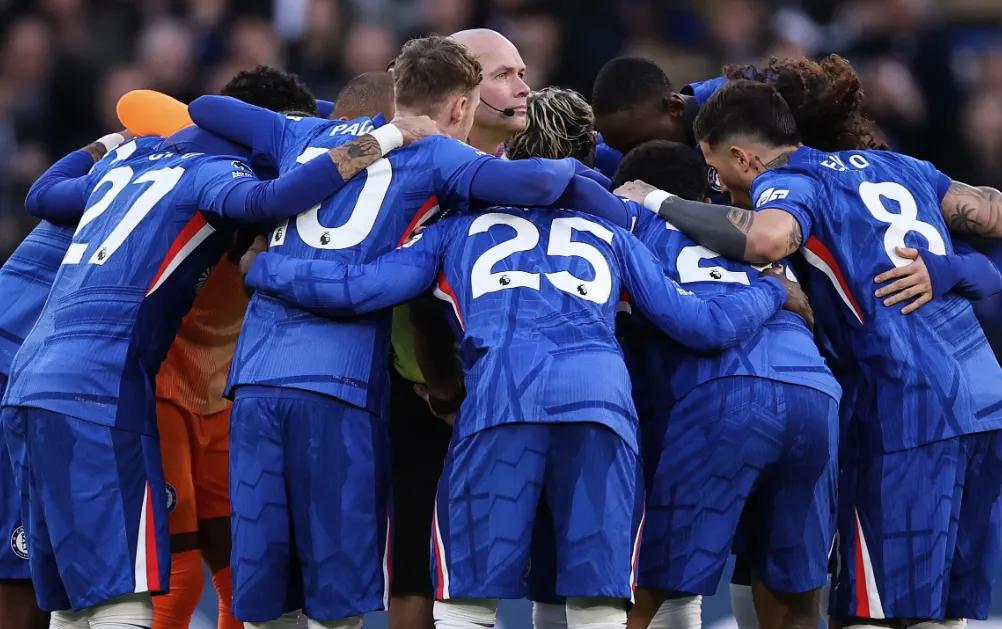
The Core of the Conflict: What Really Happened
The story of Chelsea‘s internal struggles isn’t about a single fight but a pattern of small incidents that built up over time. Reports from inside the dressing room suggest that some players felt others were not committed enough, while others believed their teammates were too self-centered.
A Question of Leadership
Leadership roles are often assigned by the manager, but true leadership is earned in the locker room. When the natural leaders on the team failed to bridge the gap between different cliques, the divide only widened.
- Vocal vs. Reserved:Some players are naturally vocal, shouting instructions and demanding more. This can be inspiring to some but irritating to others who prefer a quieter approach.
- On-Field Misunderstandings:A misplaced pass, a missed run, or a failure to track back can lead to on-field arguments that linger after the final whistle.
- Social Circles:In a squad with many different nationalities and languages, players often stick to their own groups, which can create an “us vs. them” mentality.
This wasn’t about a single moment of madness; it was a slow burn of minor grievances. The passion that makes these players great on the pitch sometimes translated into toxic behavior off it. As one source close to the club put it, “They drove each other crazy because they all wanted to be the hero.”
Expert Insight: Football analyst Sarah Jenkins notes, “The best teams in history have had their share of conflict. The difference is usually how quickly they resolve it. If left unchecked, these tensions can derail a season, but if managed well, they can be the fuel for a title run.”
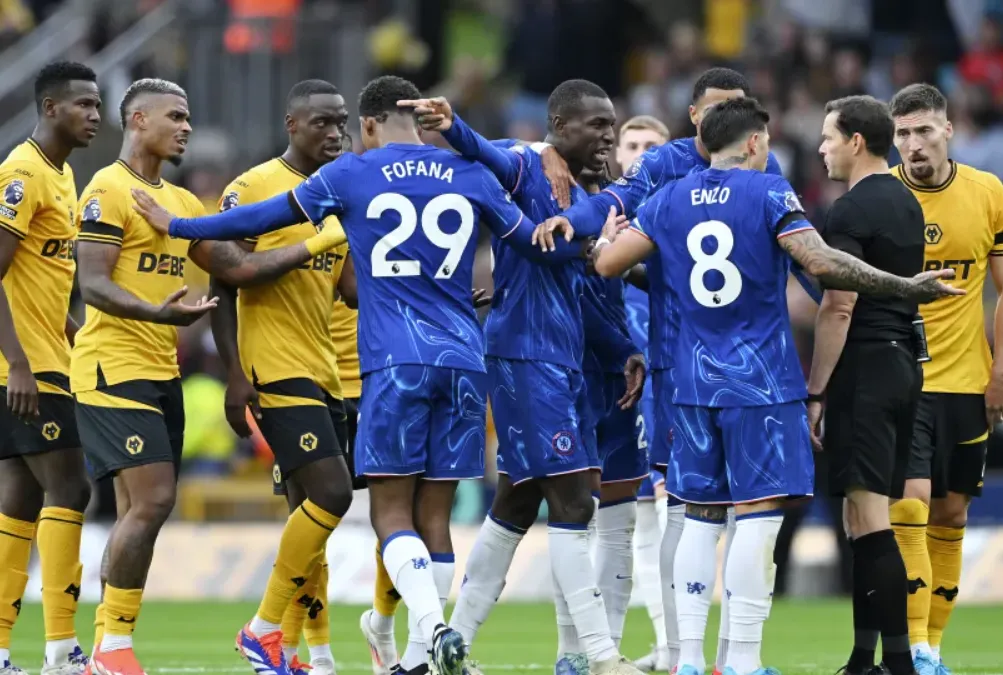
How the Club Managed the Tension
To the credit of the coaching staff and management, steps were taken to address the growing unrest. Private meetings, team-building exercises, and individual conversations were all part of the strategy to bring the squad back together.
The Role of the Manager
The manager’s ability to act as a mediator was crucial. By rotating the captain’s armband or benching underperforming stars, subtle messages were sent. However, the long-term solution required more than just tactical changes.
The Importance of Clear Communication
Open forums were held where players could air their grievances without fear of retribution. This transparency helped to clear the air, even if it didn’t solve every problem immediately.
- One-on-One Talks:Managers sat down with the most vocal players to understand their frustrations.
- Group Sessions:The entire squad was brought together to discuss their common goals, reminding them that they were stronger as a unit.
- Focus on Collective Success:By redirecting the focus from individual glory to team achievements, the club tried to realign priorities.
The Lasting Impact on Team Performance
When tensions are high, performance often suffers. Missed passes, lack of trust, and slow movement are clear indicators of a fractured spirit. For Chelsea, this internal struggle coincided with some inconsistent performances, leading many to connect the dots.
However, adversity can also forge a stronger bond. Some experts believe that overcoming internal conflicts can make a team more resilient. The key is for the players to emerge from the experience with a renewed respect for one another.
Positive Outcomes Can Include:
- Better Understanding:Players learn how to handle different personalities.
- Increased Resilience:Surviving a crisis together builds character.
- Clearer Roles:Conflict often forces a team to define roles more clearly.
“You can’t fake chemistry,” says Jaya9 sports columnist Tom Harwood. “But you can build it through shared sacrifice and honest conversations. This Chelsea squad has the talent; now they need the harmony.”
Conclusion: A Team Driven To The Brink And Back
The story of how Chelsea teammates drove each other crazy is more than just a gossip column headline. It’s a real-world case study in the psychology of elite sports. It highlights the delicate balance between the fire of competition and the bonds of teamwork. While the tensions were real and the challenges significant, this experience has the potential to shape a more mature, cohesive squad.
Ultimately, the mark of a great team is not that they never face conflict, but that they learn to navigate through it. For Chelsea, the path forward is clear: channel that intense energy into a collective drive for victory. What are your thoughts on internal team dynamics? Have you seen this in your favorite clubs? Share your experiences in the comments below, and stay tuned to Jaya9 for more in-depth football analysis!
