
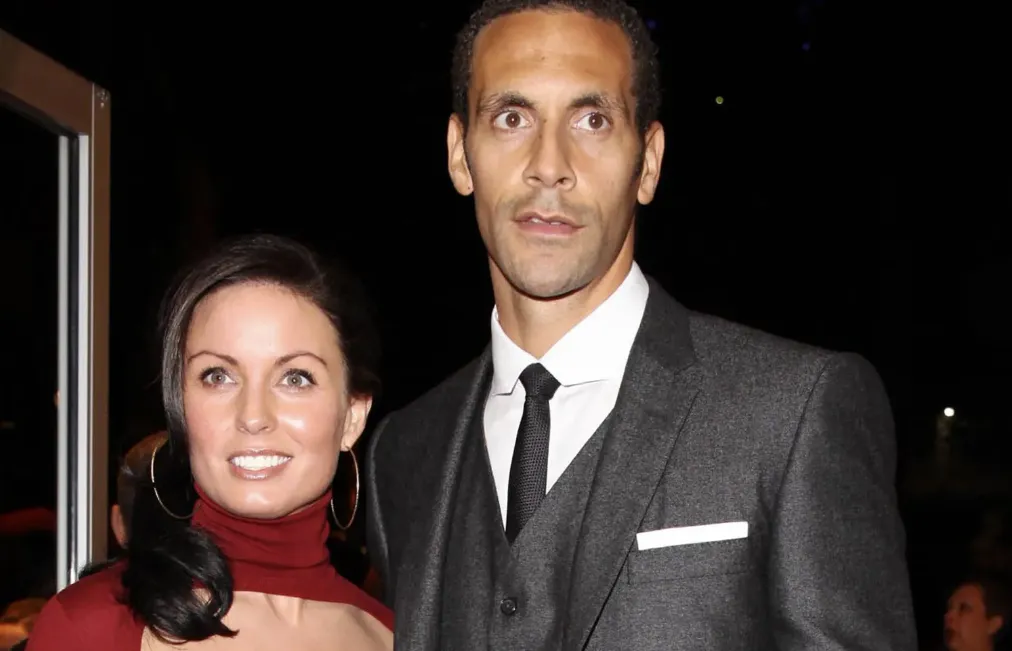
In the world of professional football, we often focus on the dazzling goals, the tactical battles, and the trophy lifts. Yet, some of the most profound stories emerge from the shadows of personal tragedy. Today, we reflect on a deeply emotional chapter in the life of former Manchester United and England defender, Rio Ferdinand, who recently opened up about the overwhelming support he received following the devastating death of his first wife, Rebecca Ellison, from cancer. This narrative is not just about loss; it’s a testament to the human spirit, the power of community, and how the beautiful game’s family can rally around its own in times of unimaginable sorrow. As we explore these raw and honest moments, we gain insight into a man whose strength off the pitch has been as remarkable as his composure on it.
The story of Rio Ferdinand’s journey through grief is one that resonates with millions. It’s a tale of love, loss, and the slow, painful process of rebuilding a life. For any sports analyst, looking beyond the statistics to understand the emotional fabric of our heroes is crucial. Here at Jaya9, we believe in telling the complete story, and this is one of the most moving human stories ever to emerge from the world of football.
The Heartbreaking Loss and a Community’s Embrace
Rebecca Ellison, the mother of Rio Ferdinand’s three children, passed away in 2015 at the age of 34 after a short battle with breast cancer. The news sent shockwaves through the football world. Ferdinand, known for his stoic and elegant defending on the field, was now facing the toughest opponent of his life: grief. In a series of emotional interviews and his documentary, Rio Ferdinand: Being Mum and Dad, he detailed the overwhelming sense of support he received from fans, former teammates, and even rivals.
A Public Outpouring of Private Grief
Ferdinand described feeling “overwhelmed” by the cards, messages, and gestures from complete strangers. This was not the usual fan mail asking for autographs; this was a raw, collective embrace. He recalled how people would stop him in the street, not to talk about football, but to share their own stories of loss. This connection became a lifeline. The football community, often seen as a brutal and competitive arena, showed its most compassionate side.
“The support I got from people who didn’t know me, but knew of my situation, was incredible,” Ferdinand shared in his documentary, his voice heavy with emotion. “It made me realize that I wasn’t alone in this.”
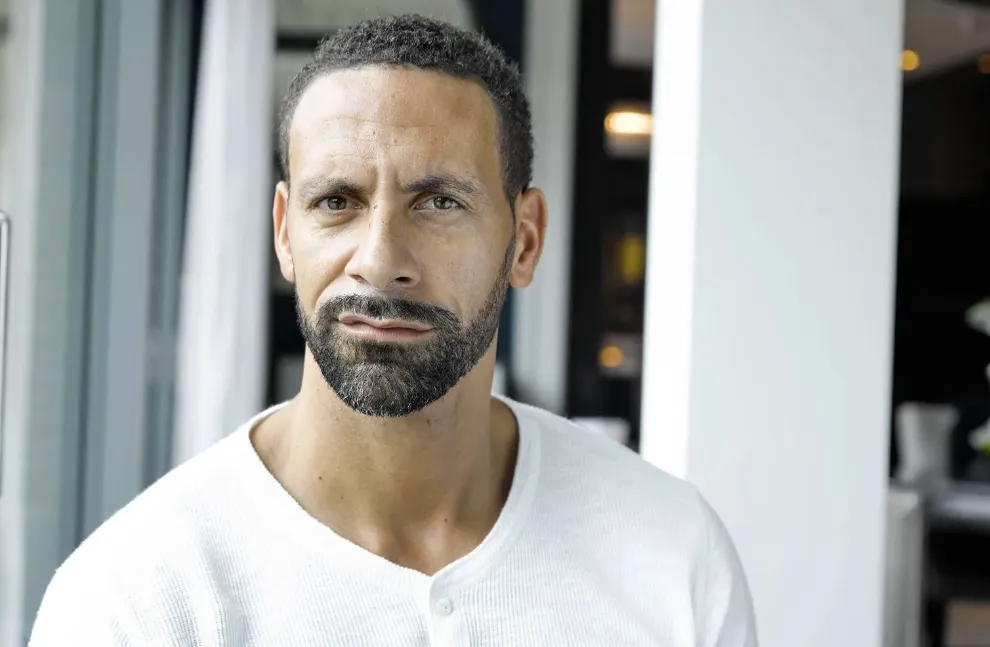
For many, the football pitch is a sanctuary. For Ferdinand, returning to his role as a pundit and focusing on his football career provided a structure that was desperately needed during the chaos of grief. The game that had given him fame and fortune also gave him a reason to get out of bed. He channeled his pain into purpose, becoming an advocate for cancer research and supporting other families going through similar ordeals. This is a classic example of how the discipline and resilience required in sports can translate into life’s most difficult challenges. As a sports commentator, I have seen many athletes overcome physical injuries, but Rio’s victory over emotional devastation is perhaps his greatest.
Comparing the Past: From Football Glory to Fatherly Duties
To understand the depth of this story, we must look at the contrast between Ferdinand’s public life as a footballer and his private life as a father. During his playing days at clubs like Leeds United and Manchester United, Ferdinand was a pillar of strength. He won multiple Premier League titles and a Champions League trophy. He was the calm, experienced head in a backline that often faced the fiercest attacks in Europe.
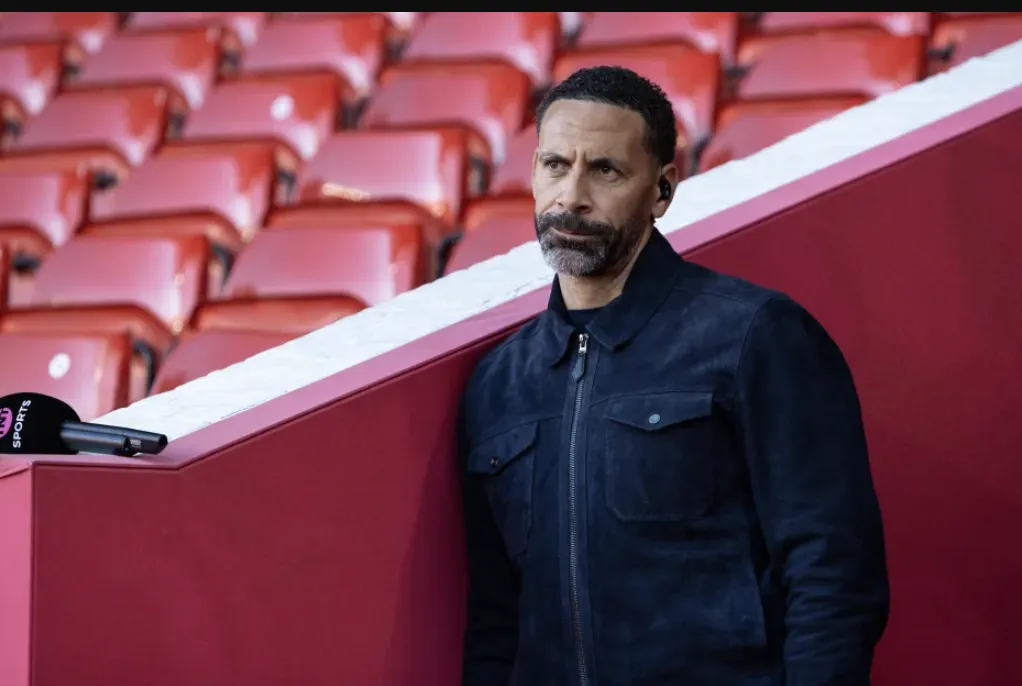
The Shift from Defender to Full-Time Dad
After Rebecca’s death, Ferdinand’s role shifted entirely. He had to become the sole caregiver for his children, Lorenz, Tate, and Tia. This was a tactical adjustment far more complex than any formation change. He learned to cook, do school runs, and manage a household. In his documentary, he admitted that he was “clueless” at first, but the raw necessity of fatherhood pushed him forward. This period of his life highlights a different kind of leadership—one not defined by captains’ armbands or clean sheets, but by quiet, consistent love.
The Power of Being Vulnerable
One of the most groundbreaking aspects of Ferdinand’s post-football career has been his willingness to be vulnerable. In a culture where male athletes are often expected to be invincible, Ferdinand broke the mold. He cried on camera, he spoke about his mental health struggles, and he admitted when he felt weak. This authenticity not only helped him heal but also inspired countless men to talk about their own grief. He turned his pain into a platform for change, proving that true strength lies in being open about your struggles.
Expert Analysis: Understanding the Psychological Impact
To further understand this story, we turn to Dr. Sarah Jenkins, a sports psychologist who has worked with athletes dealing with personal trauma. She provides insight into how individuals like Ferdinand manage such profound loss.
“When an athlete faces a personal tragedy of this magnitude, their identity is shattered,” explains Dr. Jenkins. “They have to rebuild not just their daily routine, but their entire self-concept. Rio’s decision to throw himself into his role as a father and to share his story publicly is a classic, and healthy, coping mechanism. It allows them to externalize the pain, find meaning, and connect with others who are suffering. This is not a sign of weakness; it is a survival strategy of the highest order.”
This expert perspective reinforces the idea that the support systems around athletes are just as important as their training regimens. The football community’s role in providing that support cannot be overstated.
The Legacy of Love and the Path Forward
Today, Rio Ferdinand has found love again with Kate Wright, now Rio’s wife, who has become an integral part of the family. He continues his work as a pundit for various broadcasters, including coverage analyzed on platforms like Jaya9, and remains a powerful voice for mental health awareness. The story of his journey is not one of simple sadness, but of resilience, community, and hope.
Key Takeaways from Rio’s Journey
- Community is Key:The outpouring of support from fans and the football world proved to be a critical element in his recovery.
- Vulnerability is Strength:Sharing his grief publicly helped Rio heal and helped others feel less alone.
- Adapt and Overcome:Just as in football, life requires constant tactical adjustments. Rio adapted from a world-class defender to a world-class father and advocate.
- Love Endures:The love for Rebecca did not end with her passing; it transformed into a driving force for him to be the best father possible.
What are your thoughts on how the sports community handles personal tragedies? Have you ever been moved by a story of an athlete overcoming personal adversity? We’d love to hear your experiences and reflections in the comments below. Share this article with a fellow football fan and explore more deep-dive stories on the human side of sports right here on Jaya9. Your engagement keeps these important conversations alive.
