
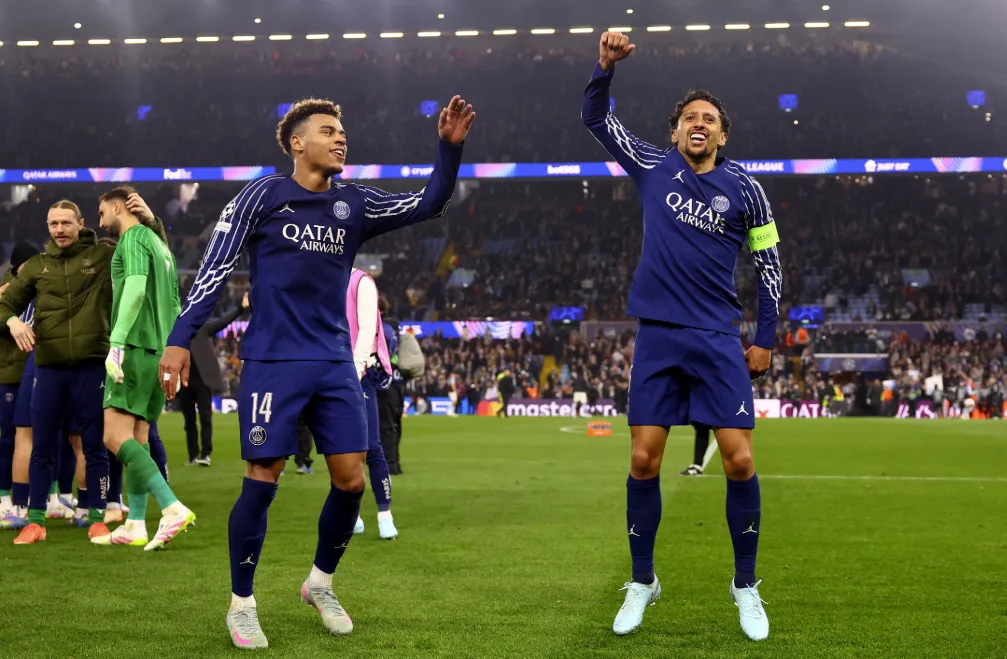
The landscape of French football is experiencing a significant transformation as reports emerge that the Qatar Sports Investments (QSI), the ownership group behind Paris Saint-Germain, is cooling its investment appetite in France. This development, confirmed by multiple sources close to the matter, marks a potential turning point for the club that has dominated Ligue 1 for over a decade and raises important questions about the future direction of one of Europe’s most ambitious football projects.
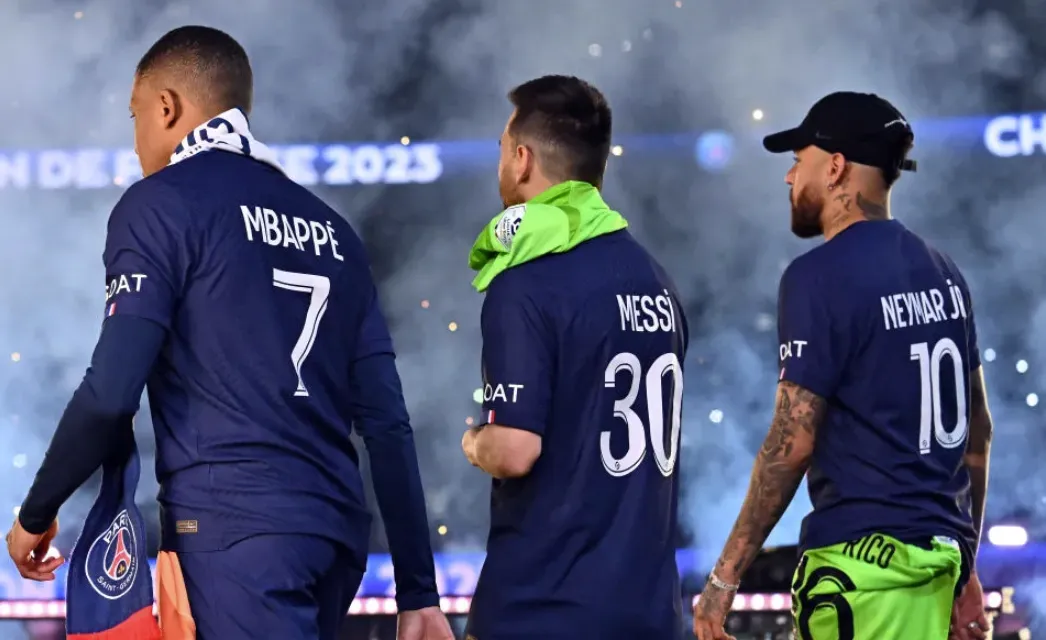
Since acquiring PSG in 2011, QSI has poured billions into transforming the club from a domestic contender into a global brand. The investment strategy has brought world-class talents like Neymar, Kylian Mbappé, and Lionel Messi to the Parc des Princes, secured multiple league titles, and elevated PSG to Champions League regulars. However, according to sources speaking to Jaya9, the Qatari fund is now reassessing its financial commitments, signaling a shift in priorities that could reshape the club’s transfer policies and long-term objectives.
The Changing Financial Landscape
Why Is Qatar Cooling Its Investment?
The decision comes amid several converging factors that have prompted QSI to reconsider its approach. European football’s financial landscape has evolved dramatically, with stricter Financial Fair Play regulations and increasing scrutiny on state-backed clubs. Additionally, Qatar’s broader economic strategy appears to be diversifying, with the nation focusing on preparations for the 2030 Asian Games and other infrastructure projects that require capital allocation.
“The era of unlimited spending at PSG is coming to an end,” explains football finance analyst James Richardson. “What we’re seeing is a strategic pivot. The club needs to become self-sustaining rather than relying on constant injections of Qatari capital. This isn’t about abandonment; it’s about evolution.”
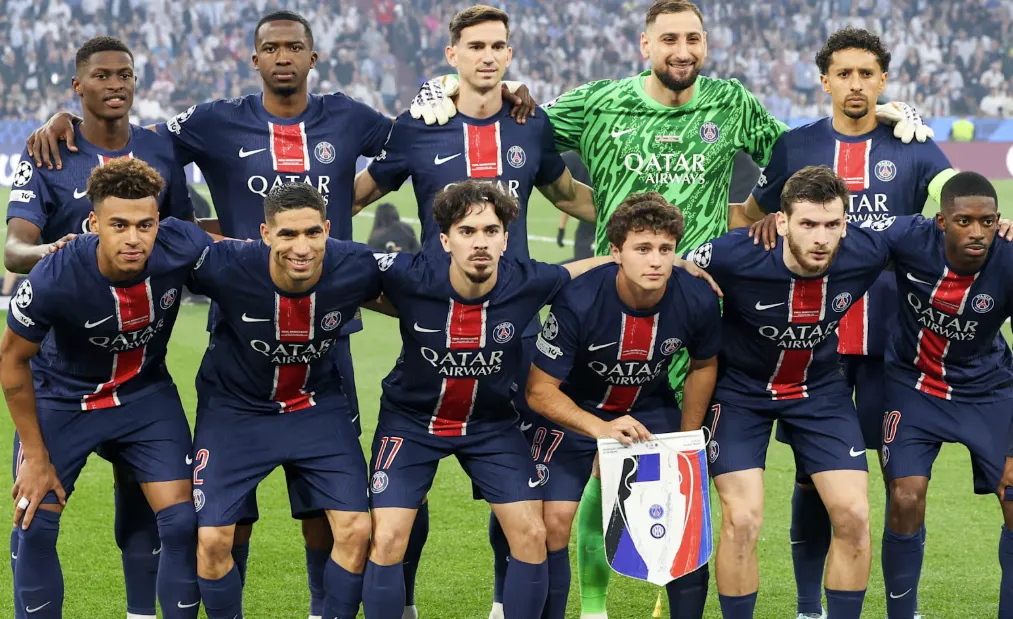
This shift is particularly noteworthy given the club’s recent efforts to balance its books. PSG has already begun implementing more prudent financial practices, including moving away from the superstar-heavy model that defined their early QSI years. The sale of Neymar to Al-Hilal in 2023 and Messi’s departure to Inter Miami were early indicators of this strategic realignment.
Impact on PSG’s Transfer Strategy
A New Era of Recruitment
The cooling investment from the Qatari fund will inevitably affect how PSG approaches the transfer market. Gone might be the days of record-breaking transfers that shocked the football world. Instead, the club appears to be embracing a more sustainable model focusing on younger talent, French domestic prospects, and strategic acquisitions rather than marquee signings.
Recent transfer windows have already reflected this change. PSG’s recruitment under new management has emphasized building around emerging talents like Warren Zaïré-Emery and Bradley Barcola, while being more selective with high-profile purchases. The club’s approach to the Kylian Mbappé situation, allowing his contract to run down rather than forcing a sale or offering an astronomical extension, further illustrates this calculated strategy.
According to football insider Marie Dupont from the French sports publication L’Équipe, “PSG’s recruitment team is now operating under different directives. The emphasis is on value for money and long-term squad building rather than short-term glamour. This represents the most significant philosophical change since the Qatari takeover.”
The Ripple Effect Across French Football
What This Means for Ligue 1
The implications of QSI’s reduced investment extend beyond PSG alone. As the flagship club of French football, PSG’s spending power has traditionally elevated the entire league’s profile and attracted global attention. A more modest approach from the Parisian club could have cascading effects on Ligue 1’s competitiveness and international appeal.
Jaya9 sources indicate that other Ligue 1 clubs are watching these developments closely. The league has benefited significantly from PSG’s star power, with increased television rights deals and international interest partly attributable to the club’s global marketing machine. If PSG scales back, it may challenge the league to find new ways to maintain its growing international footprint.
However, some experts view this as a positive development for French football’s competitive balance. “For years, PSG’s financial dominance has created predictability in Ligue 1,” notes former Marseille manager Eric Gerets. “If the playing field becomes more level, it could actually make French football more exciting and unpredictable. Other clubs now have a genuine opportunity to compete for the title.”
Strategic Alternatives and Future Directions
Potential Paths Forward for PSG
As QSI recalibrates its investment strategy, several potential scenarios emerge for PSG‘s future direction:
Youth Development Focus: The club may double down on its academy system, which has already produced talents like Zaïré-Emery. This would align with broader European trends toward homegrown development and provide a sustainable talent pipeline.
Commercial Revenue Growth: PSG has made significant strides in commercial partnerships and branding, particularly through their fashion collaborations and international tours. Expanding these revenue streams could help offset reduced direct investment.
Strategic Sales Model: The club might adopt a buy-low, sell-high approach similar to clubs like Benfica or RB Salzburg, acquiring promising players, developing them, and moving them on for profit when appropriate offers arrive.
Stadium Expansion: The ongoing renovation and potential expansion of the Parc des Princes represents a long-term investment that could generate substantial match-day revenue increases, reducing dependence on ownership funding.
Player Perspective: What This Means for the Squad
Current Roster Implications
For current PSG players, the cooling investment signals a period of adaptation. The club’s wage structure, once among the highest in world football, will likely see adjustments. Players accustomed to operating in an environment of limitless resources may need to embrace a more performance-driven culture where Champions League success becomes a necessity rather than an aspiration.
The modest transfer approach also means that young players have clearer pathways to the first team. With fewer blockbuster signings blocking their progress, academy graduates and promising talents from across Europe might find more opportunities at PSG than in previous years.
Captain Marquinhos addressed these changes in a recent press conference, stating, “We understand that football is evolving, and clubs must evolve with it. What matters is the project and the ambition. We still have incredible quality in this squad, and our goals remain the same: to win everything we compete for.”
PSG’s Future Ownership Landscape
Will There Be a Full Exit?
One question that naturally arises is whether QSI might consider a complete exit from PSG. Industry insiders familiar with the situation suggest this remains unlikely in the near term. The Qatari group appears committed to seeing through the club’s infrastructure development and establishing sustainable operations before considering any potential sale.
Speculation about partial investment from other sources has emerged, with American investment funds increasingly active in European football acquisitions. However, any such partnership would require careful negotiation to maintain PSG’s competitive position while addressing the financial sustainability concerns driving the current strategic shift.
Sports business consultant Rebecca Williams offers perspective: “This isn’t Qatar abandoning PSG. It’s Qatar maturing as football owners. The early years were about establishing the brand and making a statement. Now they’re focused on building something that can stand on its own two feet. That’s actually a more ambitious goal than simply writing checks.”
Jaya9‘s Expert Analysis: What to Watch
Key Indicators for the Coming Seasons
As we look ahead, several key indicators will reveal whether PSG‘s strategic pivot achieves its objectives:
Transfer Window Activity: Watch for the size and nature of PSG’s summer spending. A continued focus on players under 25 and fees below €50 million would confirm the strategic shift.
Wage Bill Management: Salary reductions and contract restructuring will be telling signs of the club’s commitment to financial sustainability.
Champions League Performance: The true test will come in Europe’s premier competition, where PSG faces the challenge of competing with clubs that continue to spend lavishly.
Commercial Growth: The club’s ability to generate independent revenue will be crucial to maintaining competitiveness without relying on ownership funding.
The coming months will prove decisive for PSG’s identity and direction. Fans who have grown accustomed to summer blockbuster transfers and winter blockbuster signings may need to adjust their expectations. Yet, for those who believe in sustainable success built on solid foundations rather than financial fireworks, this new era could represent PSG’s most compelling chapter yet. Share your thoughts below and let us know what you think about PSG’s changing strategy! Don’t forget to explore more football analysis and exclusive insights right here on our platform.
