
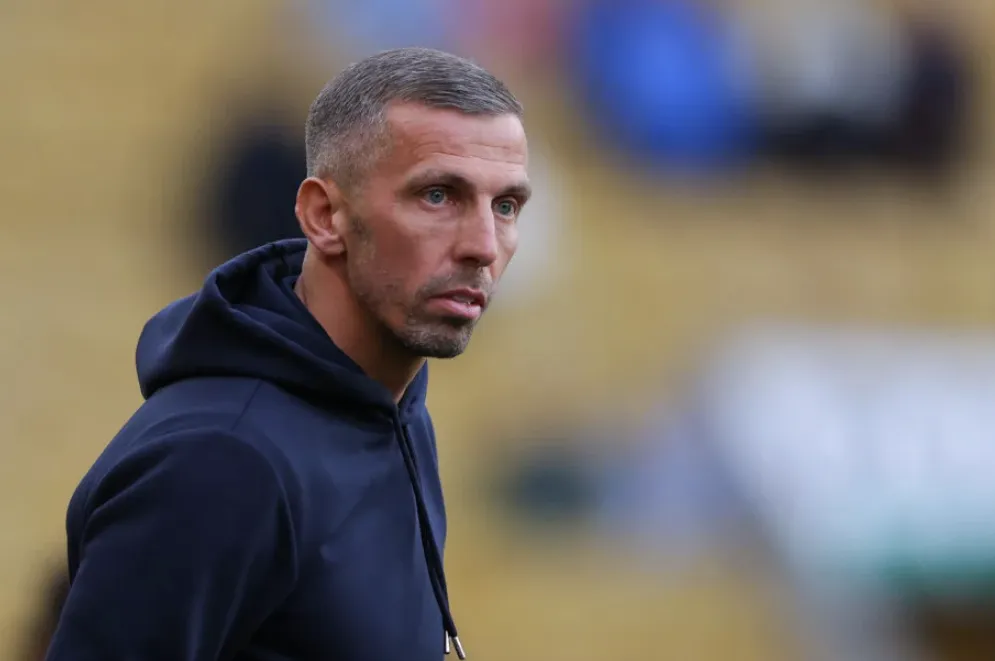
The atmosphere at Molineux has shifted from hopeful anticipation to somber reflection. In a move that has sent ripples through the football community, Wolverhampton Wanderers have officially parted ways with manager Gary O’Neil. This decision, while sudden for some, was a culmination of a distressing run of form that has left the club languishing in the lower reaches of the Premier League table. For fans and analysts alike, the sacking raises critical questions about the club’s direction, squad dynamics, and the unforgiving nature of top-flight management.
The appointment of Gary O’Neil in the summer of 2023 was initially met with skepticism. He was stepping into the shoes of Julen Lopetegui, who had left due to frustrations over the club’s transfer policy. O’Neil, however, quickly won over the Jaya9 faithful with a pragmatic approach and a series of impressive results against established powerhouses. His first season was a testament to his tactical acumen, keeping Wolves afloat with a brand of resilient, counter-attacking football. Yet, the beautiful game is a fickle mistress, and the 2024/25 campaign has painted a very different picture.
The Downward Spiral: A Timeline of Disappointment
The optimism that defined the start of last season evaporated quickly this term. A series of poor results, characterized by defensive lapses and a lack of cutting edge in the final third, saw Wolves slide down the standings.
Early Season Struggles and Missed Opportunities
The first few matchdays offered glimpses of hope but ultimately ended in heartbreak. A narrow loss to Arsenal was followed by a frustrating draw against a newly promoted side, where Wolves dominated possession but failed to convert chances. The pattern was emerging: a hard-working team that lacked the clinical finish to secure points. Injuries to key players, particularly in the midfield, exacerbated the issue, forcing O’Neil to constantly shuffle his pack. This lack of consistency in selection made it difficult for the team to build any meaningful rhythm, a crucial element in the relentless Premier League environment.
A Collapse in Form and Fan Frustration
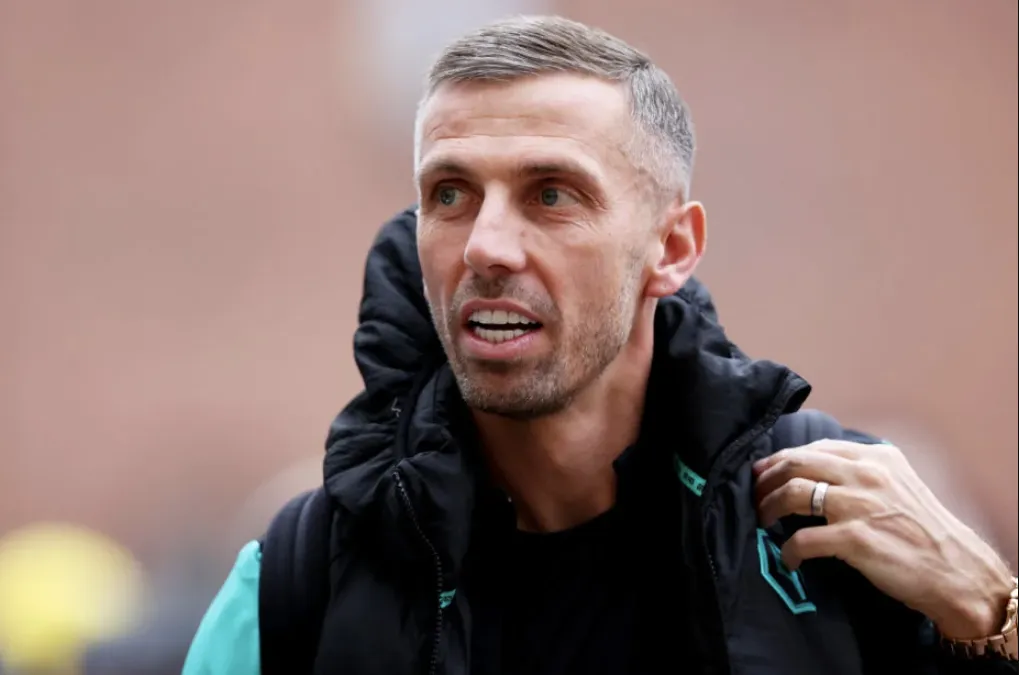
As weeks turned into months, the results became more alarming. A humiliating 5-0 defeat away to Brighton was a particularly low point, exposing the team’s fragility under pressure. The defense, once a source of pride under O’Neil, began to look porous. Individual errors crept into the game, and the team’s spirit, which had been their hallmark, seemed to fracture. Former Premier League midfielder and current pundit, Jamie Carragher, noted on Sky Sports, “The body language of the players is telling. They look devoid of confidence. When you’re in a relegation battle, belief is everything, and right now, Wolves have none.”
The Final Straw and Boardroom Decision
The final match in charge for O’Neil was a dispiriting 2-0 loss at home to Ipswich Town, a game in which Wolves failed to register a single shot on target. The silence at the final whistle at Molineux was deafening, a sound of resignation rather than anger. The club’s board, led by Matt Hobbs and Jeff Shi, felt they had no choice but to act. A statement released on the club’s official website thanked O’Neil for his “hard work and dedication” but confirmed his departure, citing the “current league position and recent results” as the primary reason for the decision.
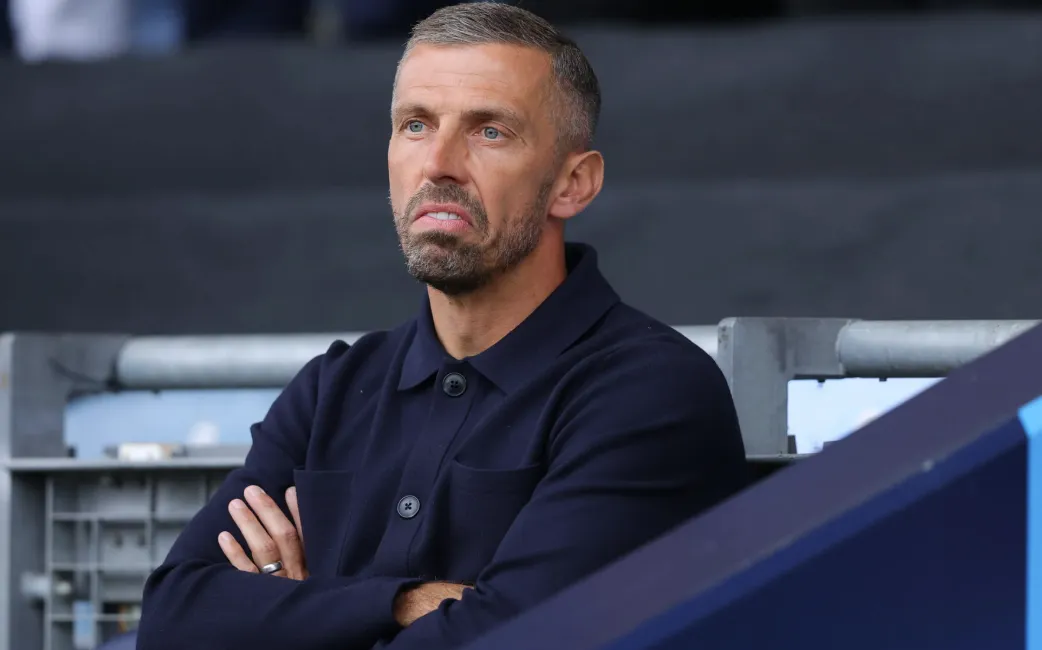
“We believe a change is necessary to deliver the fresh impetus required for the remainder of the season. We thank Gary for his efforts and wish him well for the future.” – Official Wolves Statement.
Tactical Analysis: Where Did It Go Wrong for O’Neil?
While O’Neil’s man-management was often praised, his tactical blueprint in the current season appeared to have been figured out by opposing managers.
Defensive Solidity Turns to Fragility
Last season, Wolves were a compact, difficult team to break down. They defended in a solid 4-4-2 mid-block, forcing opponents wide. This season, the same structure has looked ragged. The press was uncoordinated, allowing teams to play through them with ease.
- High Line Issues:O’Neil’s attempt to implement a slightly higher defensive line backfired. The center-backs, lacking pace, were caught out repeatedly by balls over the top.
- Set-Piece Vulnerability:Once a strength, set-pieces became a nightmare. A lack of concentration and poor marking led to a high number of goals conceded from dead-ball situations.
Creative Stagnation in Attack
At the other end of the pitch, Wolves became predictable. The loss of a creative playmaker in the summer transfer window was never adequately addressed.
- Over-reliance on Individuals:The team became too dependent on the brilliance of players like Pedro Neto and Matheus Cunha. When they were marked out of the game or injured, the team had no alternative plan. The attack became stagnant, with slow ball circulation and a lack of movement in the final third.
- Poor Finishing:Wolves consistently created fewer high-quality chances than their opponents. When they did create an opportunity, a lack of composure in front of goal, particularly from the strikers, proved costly. The expected goals (xG) statistics were damning, showcasing a team that was both creating little and converting even less.
The Road Ahead: Who Will Take the Reigns at Molineux?
The immediate focus now shifts to the search for a successor. The new manager will inherit a squad that is low on confidence but still possesses quality in certain areas. The primary task will be to rediscover the defensive solidity that made Wolves so tough to beat.
The club is expected to look for a manager with Premier League experience. Names are already being circulated in the media. Potential candidates include a former boss returning for a second stint, a high-profile coach currently out of work, or a bold appointment from the Championship. The new boss will have to work quickly to install a new system and, crucially, a winning mentality. With the January transfer window open, there will also be an opportunity, albeit a small one, to bring in new faces to address the squad’s pressing weaknesses.
The Jaya9 community is now watching with bated breath. The next appointment is perhaps the most important in the club’s recent history, carrying the weight of Premier League survival.
Rebuilding Trust with the Fanbase
Beyond tactics and transfers, the new manager’s most significant challenge will be psychological. The bond between the team and the stands has been tested in recent weeks. The fans, who are known for their vocal support through thick and thin, need to see a team that fights for the shirt. Passion, commitment, and a clear identity on the pitch are non-negotiable.
The new manager must be a communicator, capable of uniting a fractured dressing room and selling a vision to the fans. It will not be an easy task, but the foundation of a good squad is there. With a few tweaks, a reinforcement of discipline, and a shift in mindset, Wolves can still escape the drop zone. The season is far from over, but the margin for error has evaporated.
In conclusion, the departure of Gary O’Neil marks the end of an era at Wolverhampton Wanderers. While his tenure will be remembered fondly for the high points of last season, the brutal reality of the current campaign has forced the club to act. The story now turns to a new chapter, one that will determine the immediate future of this historic club. Gary O’Neil leaves with his head held high, but the red light at Molineux is blinking, and a new savior is needed to guide Wolves out of the darkness.
