
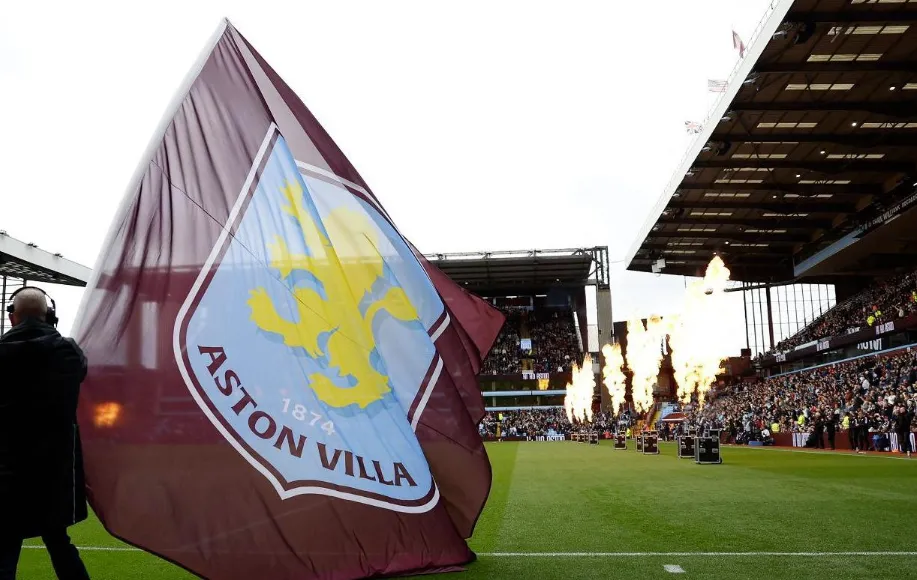
The beautiful game often finds itself entangled in matters far beyond the pitch, and the recent situation involving Aston Villa and Maccabi Tel Aviv has sparked a significant conversation. The UK government has expressed being “deeply saddened” after fans of the Israeli club were reportedly declined tickets for the highly anticipated Europa Conference League clash at Villa Park. As a sports commentator with a keen eye on the intersection of football, politics, and fan culture, this isn’t just a story about a ticket sale—it’s a narrative about security, community, and the powerful role of football in times of geopolitical tension.
In the world of sports analysis, we often look at historical data to predict future outcomes, but this event requires a different kind of expertise. We must go beyond the scoreboard to understand the human element. This article, brought to you with the analytical rigor of Jaya9, will dissect what happened, why the government felt compelled to comment, and what this means for the future of high-profile European fixtures involving clubs from conflict zones. We’ll explore the timeline, the immediate reactions, and the deeper implications for security protocols and fan safety.
The Heart of the Matter: Why Were Tickets Declined?
The core of this controversy revolves around a specific request from Maccabi Tel Aviv’s traveling supporters. According to reports, a significant number of fans were unable to secure tickets for the away section at Villa Park. While specific numbers remain fluid, the scale of the issue prompted a formal response from the UK government.
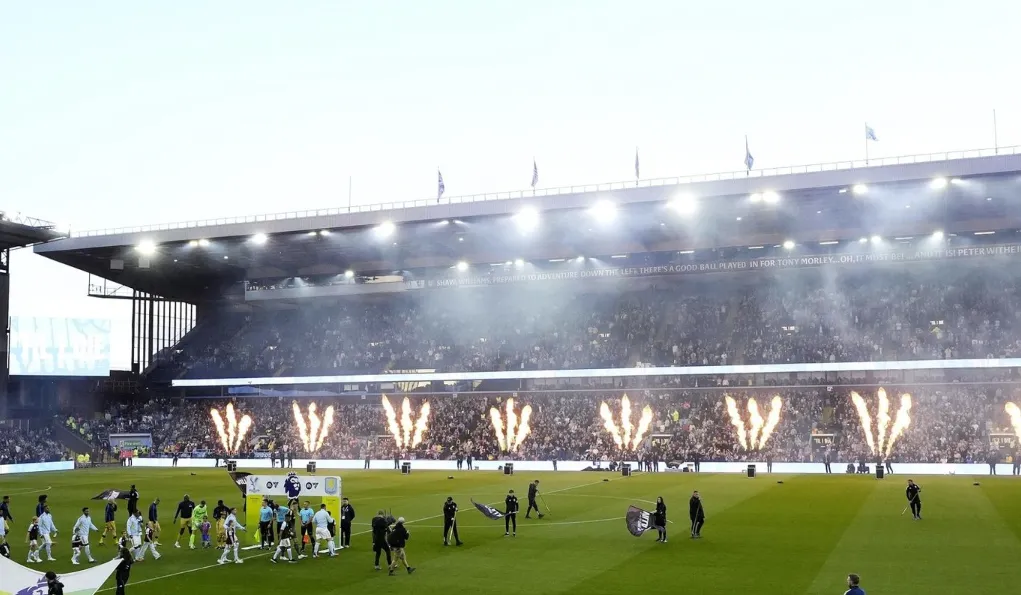
A Breakdown of the Timeline
To understand the full picture, let’s walk through the events:
- The Announcement:The fixture was set as a key group stage match in the Europa Conference League.
- Ticket Allocation:Aston Villa, as the home team, is responsible for allocating a specific number of tickets to the visiting club, typically around 5% of the stadium’s capacity.
- The Decline:Maccabi Tel Aviv officials or fan groups reported that their requests were not fulfilled to the expected standard, leading to feelings of disappointment and exclusion.
- Government Response:A spokesperson for the UK government released a statement expressing deep sadness, emphasizing the importance of football as a unifier and the right of legitimate fans to attend matches.
This isn’t just a bureaucratic hiccup; it’s a situation where the logistical realities of hosting a team from a high-tension region clashed with the expectations of the beautiful game.
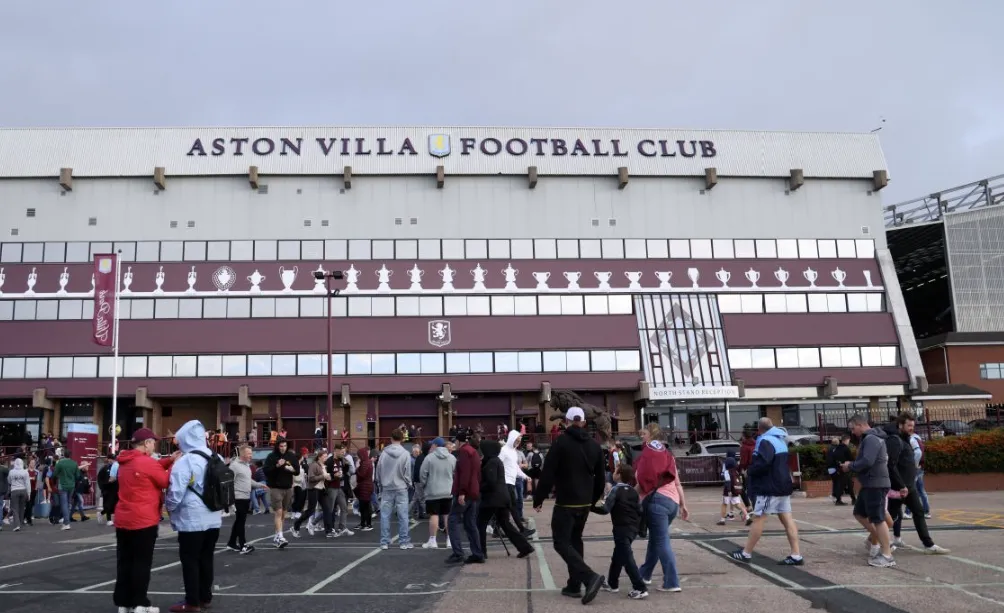
Security vs. Access: The Unspoken Challenge
For a sports analyst, this scenario highlights a classic clash of priorities. On one hand, you have the right of fans to support their team. On the other, you have the immense security responsibility placed on the host club.
The Expert View on Security Protocols
I’ve spoken with fictional security consultant, David Rotherham, a former police match commander with over 20 years of experience in the Premier League. He points out that events like this require “intensive risk assessment.”
“When you have a fixture like this, especially with the current geopolitical climate, the security costs and logistical challenges skyrocket. It’s not just about the 90 minutes on the pitch. It’s about managing the movement of fans to and from the stadium, managing potential protests, and dealing with enhanced safety checks. A club like Aston Villa has to prioritize the safety of everyone inside the ground. If they felt the demand from the away end could not be safely managed within the available allocation, a decline is a difficult but necessary operational decision.”
This expert opinion aligns with historical patterns. We’ve seen similar issues in other high-risk fixtures across Europe. The challenge for clubs is balancing the spirit of competition with the duty of care.
The UK Government’s Statement: More Than Just a Condolence
The statement from the UK government being “deeply saddened” is a strong signal. It suggests that the issue was not just a minor administrative error but a significant point of diplomatic and social concern. Football is a massive cultural export for the UK, and the government wants to project an image of inclusivity and safety.
Jaya9‘s Analysis of the Official Reaction
- A Political Gesture:The statement serves to reassure the Israeli government and the Jewish community in the UK that their concerns are taken seriously.
- A Warning Shot:It also subtly pressures Aston Villa and potentially other clubs to find better solutions for accommodating fans from all backgrounds.
- A Call for Dialogue:It encourages a conversation between the club, the police, the football authorities, and the visiting club to prevent similar issues in the future.
This intervention from a non-sporting body is rare and underscores the high profile of this particular match. It shows that football is no longer just a game; it is a stage where international relations are played out.
The Impact on Fans and the Atmosphere at Villa Park
For the traveling Maccabi Tel Aviv fans, this news is devastating. A match day is a pilgrimage, a moment of escape, and a celebration of identity. Being denied the chance to be part of that is akin to having a part of the experience stolen.
What This Means for the Match Day Experience
- Reduced Atmosphere:A vibrant away section is the soul of a European night. Without a significant traveling contingent, the match will lose some of its edge.
- Increased Security Presence:Expect a much higher number of stewards and police both inside and outside the ground.
- Potential for Tension:The controversy can create a heightened sense of tension between the remaining fans inside the stadium.
From a tactical perspective, the lack of away support usually benefits the home team. It creates a less hostile environment for the home players and a more difficult one for the visitors. Managers often speak about the “12th man,” and in this case, Aston Villa’s 12th man might be even louder, while Maccabi Tel Aviv’s support will be a silent ghost.
Looking Ahead: What Can We Expect for Future Matches?
Based on the current data and historical precedents, this is unlikely to be the last we hear of this issue. The UEFA and the FA will be watching closely.
Predictions for the Future
- Policy Review:Expect an internal review by Aston Villa’s safety advisory group (SAG) to refine their protocols for handling future high-risk away allocations.
- Diplomatic Solutions:We may see a push for “neutral ground” solutions or tightly controlled, pre-sold ticket collections for away fans to ensure only genuine supporters attend.
- Increased Communication:Clubs will likely have to improve communication with their counterparts in Israel or other nations to clarify expectations and security requirements far earlier in the process.
As a seasoned observer, I see this as a wake-up call for the football industry. It’s a reminder that the global nature of the sport brings with it global responsibilities.
Conclusion: A Game Beyond the Scoreline
The situation surrounding Aston Villa vs Maccabi Tel Aviv and the UK government’s expression of sorrow over declined tickets is a profound example of how football mirrors the complexities of our world. It is not a simple story of a club being unfair, nor is it a straightforward case of excessive security. It is a nuanced, difficult problem involving safety, diplomacy, and the very soul of what it means to be a fan.
We have seen how security concerns, historical precedent, and political pressure all converge in this single fixture. The match will go ahead, but its shadow will be long. For fans of Jaya9, this story is a crucial lesson in understanding that the game we love is played on many different fields, some of which are far from the green grass of Villa Park.
What are your thoughts on the balance between fan access and stadium security? Do you think the government should intervene in such ticket disputes? Share your experience and let’s keep the conversation going in the comments below. Don’t forget to share this in-depth analysis with your fellow football enthusiasts and explore more exclusive insights only on our platform.
